
Should I Let My Child Play Grand Theft Auto?
How the video game affects people and what parents should know.
This piece was featured in Psychology Today.
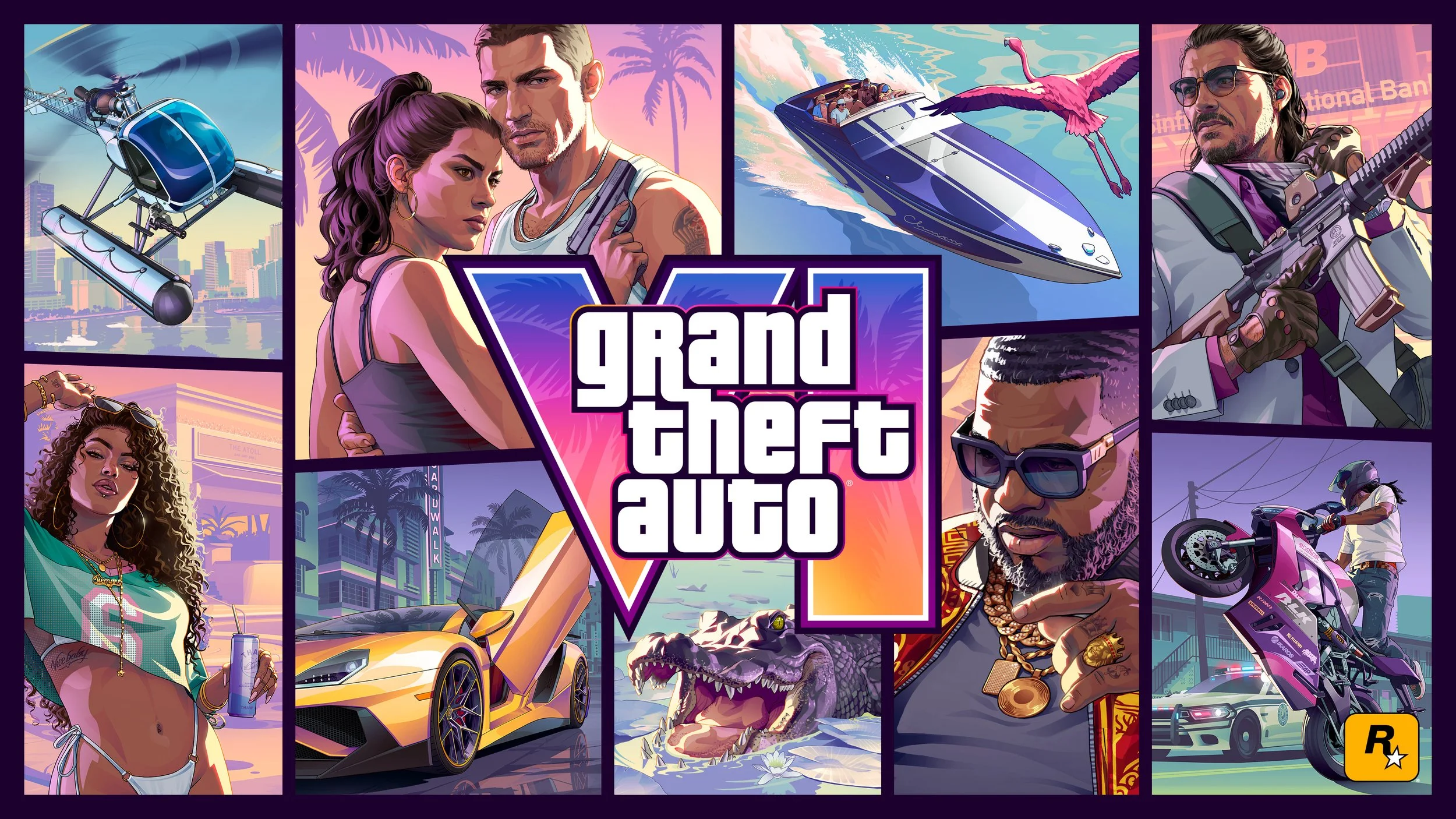
Tomorrow, the biggest video game of all time will be released. The latest game in the blockbuster Grand Theft Auto series took 13 years and over a billion dollars to make. It’s predicted to be the biggest opening of any entertainment product in history.
The Grand Theft Auto games are an extremely violent, darkly satirical exploration of American culture. Currently, the game will only include a single-player story, but a multiplayer version is slated for release next year. I wrote previously about how to keep your kids safe while playing multiplayer games here.
It is unclear what content this game will include, as no one has discussed it publicly. If leaks are to be believed, the game will feature full nudity, including visible genitals and sex scenes. Based on previous entries, it will certainly feature drug use, offensive language including racial slurs, and frequent gun violence, including the ability to shoot police officers.
The game will absolutely not be meant for children. It is rated “M for Mature,” which means it is designed to be played only by people age 17 and older. However, many young people, especially high school boys, want to play it. I have worked with a number of young people who regularly play the previous game in the series, some of whom started as young as nine years old.
Some parents might decide to make an exception for their children, as they do with some R-rated movies. My parents let me watch some R-rated action movies like The Matrix as a young teenager, but they definitely would not have let me watch movies with explicit sexual content or graphic violence.
Parents understandably have questions about whether the game is appropriate and whether it will influence their children like the media suggests.
Will This Make Players Violent?
GTA games are extremely violent. I likely killed thousands of computer-controlled characters in the process of completing GTA V. They are not meant for children.
However, there is no evidence that the game, or any other violent media, will make players violent in the real world. The studies that purport to show a connection between violent video games and aggression often have serious methodological problems. Further, despite what the news media suggests, school shooters are actually less likely to enjoy violent video games than their peers. I wrote about this in more depth in a previous article.
Can Media Change Who We Are?
Although video games are unlikely to make children violent, there is some evidence that our opinions and values can be shaped by the media we consume.
For example, people who live in the Nadroga province of Fiji had traditionally viewed larger bodies as healthy and desirable. This began to change starting in 1995 when they started receiving outside television signals. Researchers surveyed a group of teen girls within a month of American television reaching their region and again three years later. Historically, dieting was rare in this area, and none of the girls reported vomiting to control their weight in 1995. But by the second survey, 69 percent of these same girls had started to diet, and 11 percent had begun intentionally vomiting to control their weight. That is, just three years of exposure to Western media seems to have fundamentally altered how the entire region viewed body image.
Importantly, GTA is not alone in featuring problematic elements. Each can be found in other movies, games, and even the news on TV. It is unlikely that this game will be the first time an older teenager hears racial slurs or sexual language, or sees nudity or violence. Most recent R-rated crime movies feature all of the above. Modern horror movies like Saw or Hereditary feature much more graphic violence than GTA does. Ultimately, this is why the series’ satire is relevant; the games are simply a more extreme version of the culture in which many of us have grown up.
It is therefore unlikely that simply playing this game will have more of an effect on its players’ values than their other daily cultural experiences. The aforementioned girls in Fiji, whose body image was drastically changed, were being exposed to a foreign culture they had not experienced before. American teens are already saturated with media showing extreme violence, sexuality, and crime.
However, people who consume more violent media tend to believe that the world is more dangerous than it really is. Researchers who have studied this “mean world syndrome” have found that people who consume more media are more likely to fear violence and trust others less. If playing this game drastically increases the amount of time an individual spends consuming media, it is possible that they will believe themselves to be in more danger in the real world than they did before playing.
How to Protect Younger Players
Parents who do not want their children to play this game should know that their children can simply download the game independently. Nearly all game consoles and computers now permit users to purchase the game digitally with a credit card or console-specific currency. To prevent this, concerned parents can set parental locks on game devices, including preventing purchases of games rated “M for Mature” (similar to blocking all R or NC-17 movies), or requiring a password before any digital purchases.
I also recommend that parents who are unsure whether their children should play such a game supervise their children or play along with them. As I wrote previously, this not only provides the opportunity to bond with children through their interests, but also lets parents talk about the game’s content and provide valuable context to what the children are experiencing. When the multiplayer version is eventually released, make sure that your kids are not chatting with strangers by turning off public chat.
Should I Let My Child Play?
Whether to let your children play a game like this is a personal decision. Reasonable parents can choose to ignore the recommended age if they understand the content of the game and believe their children are emotionally mature enough to consume it.
Below is a non-exhaustive list of questions parents should consider before purchasing the game for their children:
Do I believe my child is mature enough to handle the game’s sexual content and will not emulate the problematic aspects of the sexuality they witness?
Can my child emotionally manage seeing and perpetrating digital violence without becoming afraid?
Are my child’s values strong enough to view characters acting immorally and not imitate them?
Does my child have a history of substance-use issues that may be triggered by interacting with drug-related content?
Do I trust that my child will talk to me about questions they have about the game’s content?
Does my child understand that characters can be protagonists without being “good guys”? In other words, could my child watch Scarface without aspiring to be Tony Montana?
Conclusion
Grand Theft Auto VI will have a number of elements which most parents would find extremely objectionable. These are not likely to psychologically harm people who are mature enough to manage the subject matter and understand it in context.
However, the game’s content is highly inappropriate for most young people, and parents should proceed cautiously. If parents decide to buy it for their children, I recommend supervising them while playing and having open conversations about what their children are witnessing and experiencing.